

Case Study 1
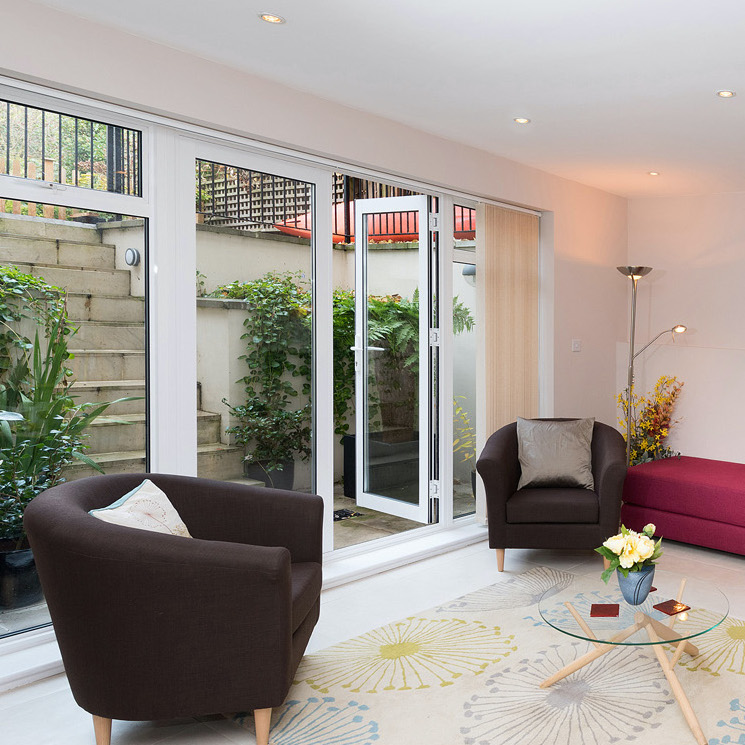
This property is a 3 bed ground floor flat, within a 3 storey semi detached, Edwardian house in North West London. The ground floor covers a 110 m2 footprint; this is inclusive of the communal area of entry hallway and stairs. The property had an existing cellar area of approximately 12meters, with headroom that barely gave reasonable standing height.
The benefit to our clients was that by excavating under the full footprint they effectively created a basement living area even larger than the current footprint of their existing flat. Their desire was to use the footprint of the entire ground floor.
With two daughters in their early teens, au pair and a home business, things were getting rather squeezed.
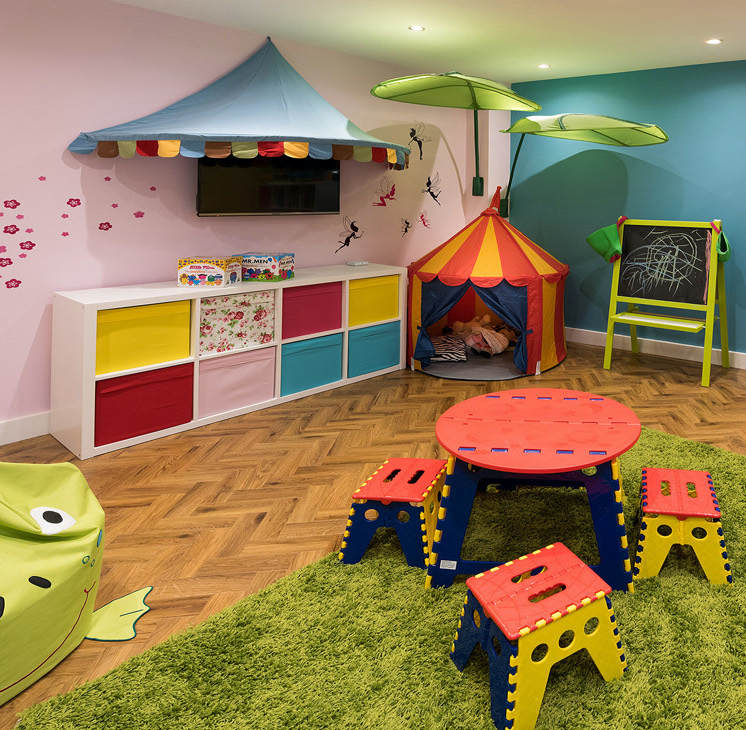
Having been restricted by the planners, for the full approval originally sought for two larger light wells to the front of the property, but later approved for only a very small light well to the front of the property. We were able to re-apply by proposing to create a much larger light well of approx 10m2 on the side towards the rear. This could them facilitate for a light well for both the second bedroom and the new main recreation area. In addition to the two bedrooms and games/recreation room, the new basement comprised of a sizeable bathroom, storage area and room utility room.
NEW BASEMENT SIZE (inc light wells): 120m2
CONSTRUCTION COST: £215,000(Client paid for bathroom fitting and some finishes in addition)
JOB CONSTRUCTION TIME (inc finishes): five months
WAS PROPERTY OCUPPIED DURING WORKS: Yes, entire time.
PROPERTY VALUE BEFORE BASEMENT: £550-600k
PROPERTY VALUE AFTER BASEMENT (budget): £1.03 million(Valuation based on that given, by three independent professional estate agents. Valuation in February 2008)
Case Study 2
The property is a three storey, semi detached and Georgian terrace house. The Property was oddly shaped in that the ground floor had a frontage of approx four metres, the house not being more than seven meters deep, tapering off to about three metres wide at the rear. On the two floors above the property was wider on the front elevation by another three metres. This oddity was because there is a side access road servicing a unit to the rear of the property. This road ran below part of the first floor, i.e. the upper floors bridged over the top.
There was a small old coal cellar that sat below the very rear part of the ground floor.
The top two storeys had been converted into self contained flats leaving the ground, which because of the size and layout of the property, left only two below average sized rooms and hallway plus stair access to the flats above.
Our Client wanted to make better use of the ground floor.
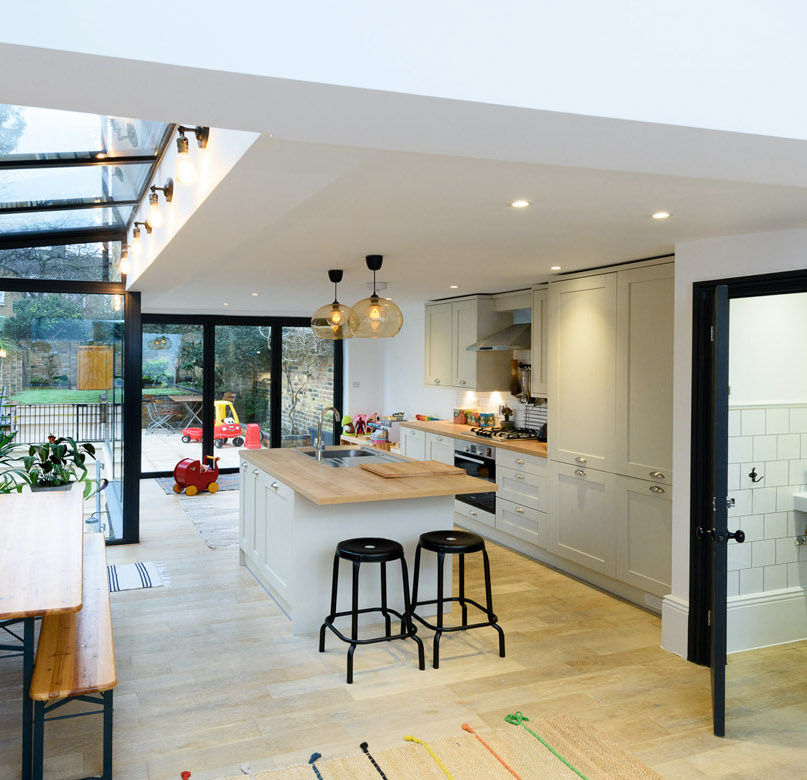
A ground floor extension was built, as best allowed by the planners, because of the still very limited space a basement bathroom and utility area were created. This allowed for the creation of a superb quality, ground floor one bed flat.
NEW BASEMENT SIZE (inc light wells): 12m2
CONSTRUCTION COST (inc extension/conversion ): £94,000(Client paid for bathroom fitting and some finishes in addition)
JOB CONSTRUCTION TIME (inc finishes): just over four months
WAS PROPERTY OCUPPIED DURING WORKS: Yes, entire time. (2 flats above)
PROPERTY VALUE BEFORE BASEMENT (ground floor): £60k
PROPERTY VALUE AFTER BASEMENT (budget): £200,000(In this case it's more to do with the rental value of the property, as the client can get a better return on his investment.)
Case Study 3
Our Client here was a very successful restauranteur, who had decided to add a new flagship restaurant to his chain.
He found premises, which were an Victorian styled old public house, with a ground floor footprint of approx 100 m2 on the ground and an existing basement area of 90m2. His architect had applied for a basement and superstructure extension, covering a 200m2 footprint.
The client's architect with a set of draft plans, with which they obtained planning permission. We then did both structural and waterproofing designs for the basement.
Construction was restrictive, as the site was to be built on the boundaries on two elevations, making it a very tight site to be working on.
We proposed a method where the walls where precast and made off site in panels, then craned into place once the site had been prepared. This way construction time could be greatly reduced.
This still left us with the problem of creating a retained excavation in very poor soil conditions. Also we needed to work at the back of the precast walling in order to fit external waterproof membrane and drainage systems.